
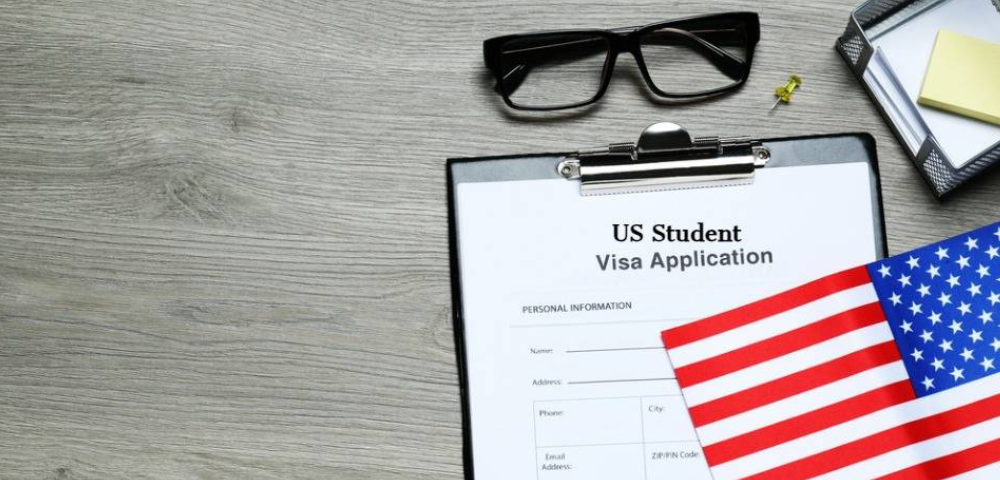
Studying in the United States can open the door to stronger English skills, new academic opportunities, and greater confidence in everyday communication. For eligible people who are already legally present in the country, applying to Change Your Visa Status to F-1 in Dallas may provide a path toward pursuing a full-time educational program without immediately leaving the United States.
This opportunity can be exciting, but it requires careful planning. A change of status is a formal immigration process, not simply a school enrollment decision. You must choose an eligible institution, obtain the correct documents, follow government requirements, and maintain your current lawful status while your application is being reviewed.
What Does Changing to F-1 Status Mean?
F-1 is a nonimmigrant student classification for international students enrolled in eligible academic or English-language programs in the United States. It allows a student to pursue a full course of study at a school certified by the Student and Exchange Visitor Program, commonly known as SEVP.
People often describe this process as changing a visa. Technically, however, a person applying from within the United States is requesting a change of nonimmigrant status. A visa is generally used to request admission to the United States at a port of entry, while status describes the immigration classification under which a person is currently permitted to remain in the country.
Who Might Consider a Change of Status?
A change to F-1 status may be relevant to someone who entered the United States legally in another nonimmigrant classification and later decided to study full time. For example, a visitor may discover that improving their English would help them prepare for university, communicate more effectively, or pursue future professional goals.
Eligibility depends on several factors, including:
- The applicant’s current nonimmigrant classification
- The expiration date listed on the applicant’s admission record
- Whether the applicant has followed the conditions of the current status
- The planned program start date
- The applicant’s immigration history
- Whether all required forms and evidence are submitted correctly
Not every nonimmigrant classification can be changed to F-1 from inside the United States. Applicants with complicated immigration histories or approaching deadlines should consider speaking with a qualified immigration attorney.
Why Study English in Dallas?
Dallas is a fantastic place to build language skills. It is a large, diverse metropolitan area where students can hear and use English in classrooms, stores, restaurants, public spaces, cultural venues, and professional environments.
Language development becomes much more engaging when classroom lessons are supported by real-life practice. Students can learn grammar and vocabulary during class and then apply those skills while ordering food, attending an event, asking for directions, or speaking with people in the community.
Benefits of Studying in a Structured Program
A structured English-language program can offer much more than independent study. Depending on the school and course level, students may receive support with:
- Speaking and pronunciation
- Listening comprehension
- Academic reading and writing
- Grammar and vocabulary
- Professional communication
- Test preparation
- Confidence in everyday conversations
- Preparation for future college or university study
Regular classes also create consistency. Students follow a schedule, receive feedback from instructors, interact with classmates, and gradually develop skills that may be difficult to build through occasional self-study.
How the F-1 Change-of-Status Process Generally Works
Every application is different, but most change-of-status journeys involve several important stages. Understanding these steps early can make the process feel much more manageable.
1. Choose an SEVP-Certified School
The first step is finding a school authorized to enroll F-1 students. When comparing programs, confirm that the institution is SEVP-certified and that the specific program is eligible for F-1 enrollment.
Students should also review the school’s schedule, course levels, tuition, attendance requirements, location, and student support services before making a decision.
2. Apply for Admission
Once you have selected a school, complete its admission process. The school may request a copy of your passport, immigration documents, educational information, contact details, and evidence showing that you can pay tuition and living expenses.
Admission requirements vary, so follow the school’s instructions closely and submit clear, current documents.
3. Receive Form I-20
After an eligible student is accepted and the school verifies the required information, a designated school official may issue Form I-20, Certificate of Eligibility for Nonimmigrant Student Status.
Review the form carefully. Your name, date of birth, program information, financial details, and expected start date should be accurate. Contact the school immediately if you notice an error.
4. Pay the I-901 SEVIS Fee
Applicants generally need to pay the I-901 Student and Exchange Visitor Information System fee using the SEVIS identification number shown on Form I-20. Keep the payment confirmation because it may be required as part of the application.
5. Prepare Form I-539 and Supporting Evidence
Most applicants requesting a change to F-1 status from within the United States use Form I-539, Application to Extend/Change Nonimmigrant Status. The application package may include Form I-20, the SEVIS fee receipt, identity documents, immigration records, financial evidence, and a written explanation of the applicant’s educational plans.
Always use the current form edition and carefully review the latest filing instructions before submission. Requirements, filing methods, and fees can change.
6. Maintain Your Current Status
Submitting an application does not automatically place you in F-1 status. You must continue following the rules of your current classification while the request is pending.
This point is especially important for B-1 and B-2 visitors. They generally cannot begin a course of study prohibited by their visitor status while waiting for F-1 approval. Starting too early could create serious immigration complications.
7. Wait for the Official USCIS Decision
USCIS processing times vary, and additional evidence may be requested. Monitor your case, keep your contact information current, read every notice carefully, and respond by the stated deadline.
School officials may need to update the program start date if the case remains pending. Stay in regular contact with the designated school official throughout the process.
Documents Commonly Used for an F-1 Change of Status
The exact evidence depends on the applicant’s circumstances. However, the following table provides a helpful overview of documents commonly associated with the process.
| Document or Evidence | Purpose | What to Check |
|---|---|---|
| Form I-20 | Shows acceptance into an eligible program and contains the student’s SEVIS information | Confirm that personal details and program dates are correct |
| Form I-539 | Requests a change of nonimmigrant status from USCIS | Use the current edition and answer every relevant question |
| Passport copy | Confirms the applicant’s identity and nationality | Make sure the passport is valid and the copy is clear |
| Form I-94 | Documents the applicant’s admission and authorized stay | Review the classification and admission information |
| Current visa and immigration documents | Help demonstrate the applicant’s current status and immigration history | Include complete, readable copies |
| I-901 SEVIS fee receipt | Confirms payment of the required SEVIS fee | Verify that the SEVIS number matches Form I-20 |
| Financial evidence | Shows the ability to cover tuition and living expenses | Provide current statements and explain the source of funding |
| Personal statement | Explains the decision to study and the reason for requesting F-1 status | Keep the explanation honest, specific, and consistent |
This table is a general guide rather than a complete legal checklist. Additional documents may be needed depending on the applicant’s current classification, dependents, financial sponsor, travel history, or previous immigration filings.
How to Choose an English School in Dallas
Selecting the right school is an important part of the experience. A reliable english school in dallas should provide clear information about its programs, admission procedures, tuition, class schedule, attendance expectations, and support for international students.
Questions to Ask Before Enrolling
- Is the school SEVP-certified to enroll F-1 students?
- Which programs are available to international students?
- How many hours of instruction are provided each week?
- What English proficiency levels are offered?
- How are students placed into the correct level?
- What are the tuition and additional fees?
- What documents are required for admission?
- Does the school provide access to a designated school official?
- What happens if a change-of-status decision is delayed?
- What attendance and academic progress rules must students follow?
A strong school should answer these questions clearly and encourage students to understand their responsibilities. Good communication from the beginning can make enrollment and immigration preparation far less stressful.
Common Mistakes to Avoid
Preparation is exciting, but it should never be rushed. Even a small inconsistency can cause delays or lead to a request for more evidence.
Waiting Until the Last Minute
Do not wait until your authorized stay is about to expire before exploring your options. School admission, document collection, SEVIS processing, and application preparation all take time.
Providing Inconsistent Information
Names, addresses, dates, financial information, and explanations should remain consistent across forms and supporting documents. Review everything before filing.
Assuming Form I-20 Guarantees Approval
Form I-20 is an essential school document, but receiving it does not mean USCIS has approved the change of status. USCIS independently reviews the application and makes the final decision.
Beginning Classes Without Authorization
Do not assume that filing an application gives you permission to start studying. Whether you may attend classes while the case is pending depends on your current status and the type of study. Follow official guidance for your individual situation.
Ignoring Notices and Deadlines
USCIS may send a receipt notice, biometric instructions, a request for evidence, or a decision notice. Missing a response deadline can seriously affect the case.
What Happens After F-1 Approval?
Approval is an exciting milestone, but it also comes with ongoing responsibilities. After the change becomes effective, work closely with your designated school official and follow the instructions connected to your SEVIS record and program start date.
F-1 students generally need to:
- Enroll in and maintain the required full course of study
- Attend classes regularly
- Make normal academic progress
- Keep immigration and contact information current
- Speak with the designated school official before reducing classes
- Obtain proper authorization before accepting employment
- Discuss travel plans with the school before leaving the country
- Report important academic or personal changes when required
F-1 approval changes your status inside the United States, but it does not automatically place an F-1 visa stamp in your passport. International travel can involve additional visa and reentry requirements, so students should obtain guidance before making travel plans.
Frequently Asked Questions
Can I change from visitor status to F-1 without leaving the United States?
Some eligible visitors may request a change of status from inside the United States. Approval is not automatic, and the applicant must satisfy the applicable eligibility and filing requirements.
Does school acceptance guarantee F-1 approval?
No. School acceptance and Form I-20 are important parts of the process, but USCIS makes the final decision on a change-of-status application.
Can I study while my Form I-539 is pending?
It depends on your current immigration classification and the proposed course of study. B-1 and B-2 visitors generally cannot begin a prohibited course of study before USCIS approves the change to F-1 status.
How long does a change of status take?
Processing times vary based on USCIS workload, the application type, the filing method, and whether additional evidence is requested. Applicants should review current official processing information rather than relying on a fixed estimate.
Do I need financial evidence?
Applicants are generally expected to show that sufficient funding is available for tuition and living expenses. Funding may come from personal savings, family support, a sponsor, or another legitimate source.
What should I do if my program start date is approaching?
Contact the school’s designated school official. The official can explain whether the start date in SEVIS needs to be deferred and what actions the school requires.
Can I work after changing to F-1 status?
F-1 employment is restricted and usually requires specific eligibility or authorization. Never begin working based only on school enrollment or F-1 approval. Speak with the designated school official before accepting any employment.
Should I hire an immigration attorney?
Legal assistance can be especially valuable if you have a previous status violation, a denied application, unauthorized employment, an approaching expiration date, dependents, or uncertainty about your eligibility.
Begin Your Education Journey in Dallas
Changing to F-1 student status can be an inspiring step toward better English, greater academic confidence, and meaningful educational progress. Dallas offers an energetic setting where international students can combine classroom instruction with daily language practice in a diverse community.
Start early, choose an eligible school, prepare every document carefully, and stay in communication with the school’s designated official. Most importantly, follow current immigration instructions and seek qualified legal guidance when your situation requires it. With thoughtful preparation and the right educational environment, studying in Dallas can become an unforgettable and highly rewarding experience.