Finland is a country where the calendar genuinely changes the experience. Light, temperature, and nature do not simply shift a little each season. They transform the pace of days, the way people spend time outdoors, and even what “a perfect itinerary” looks like. For first time visitors, the best approach is to think of Finland as four destinations in one, each with its own highlights and practical considerations.
This guide breaks down what to do in spring, summer, fall, and winter, plus what to expect as the country moves from long bright days to snowy nights.
What to know before choosing a season
Finland stretches far north, which means seasons can vary dramatically by region. Helsinki and the south feel more temperate, while Lapland has longer winters, faster seasonal transitions, and some of the biggest differences in daylight.
Daylight matters as much as weather. In summer, you can have extremely long days, while in winter, daylight can be brief. Even in spring and fall, you will notice meaningful shifts in light that affect planning. If outdoor activities are a priority, it helps to select a season based on the type of light you want, not just the temperature.
When comparing travel styles, some visitors prefer to plan everything independently, while others like the simplicity of a Lapland tour package that bundles transport, winter clothing support, and excursions that depend on local conditions.
Spring in Finland feels like a reset
Spring in Finland is subtle at first, then suddenly energetic. Snow often lingers into early spring, especially outside major cities, but the mood changes quickly as daylight returns. You will see locals spending more time outdoors, cafés opening terraces again, and parks becoming social spaces as soon as temperatures allow.
What to do in spring often centers on city exploration and the first wave of nature access. Helsinki is a strong base for museums, architecture, food markets, and day trips. In Lakeland regions, you can begin to explore quieter towns and enjoy the early signs of greenery without summer crowds. Spring is also a pleasant time for travelers who like cooler weather and fewer tourists.
Practical tip: spring weather can change day to day. Pack for cold mornings and milder afternoons, and expect occasional wet conditions as snow melts.
Summer is all about light and lakes
Finnish summer is famous for a reason. Days are long, sometimes extremely long, and the country leans into outdoor living. This is the season for lakeside cabins, swimming, boating, and relaxed evenings that stretch late. Even cities feel different because daylight makes everything feel open and unhurried.
In summer, nature is the main attraction. National parks are popular, and trails are generally accessible. Lakeland becomes a highlight region, with water views and forests everywhere. Helsinki and other southern cities also shine in summer thanks to ferry trips, waterfront walks, and a social buzz that is more subdued in winter.
Summer is the best time for travelers who want to spend most of their time outside without heavy winter clothing. It is also a strong season for family travel, since long days allow flexible plans.
Practical tip: popular areas can book up during peak summer, especially in July. If you want a quieter vibe, consider early June or late August.
Fall brings color, calm, and a more local feel
Fall in Finland is a season of contrast. Temperatures drop, daylight shortens, and forests turn vivid. In Lapland, early fall color is often called ruska, and it draws visitors who want hiking and scenery without the intensity of winter cold.
Fall is also a good season for travelers who enjoy quieter cities and less crowded nature. You can explore cultural sites without peak season lines, and you still have enough daylight for day trips and outdoor activities. For photographers, fall offers rich color, low light angles, and a dramatic atmosphere that feels distinct from summer brightness.
Practical tip: fall can be chilly and damp, especially later in the season. Waterproof shoes and layers make a big difference.
Winter in Finland is a full experience, not just a backdrop
Winter is when Finland becomes the version many people picture first, but it is more varied than a single snow scene. In the south, winter is often a mix of cold days, snow, and urban coziness. In the north, winter feels more immersive, with deep snow, colder temperatures, and activities built around the season.
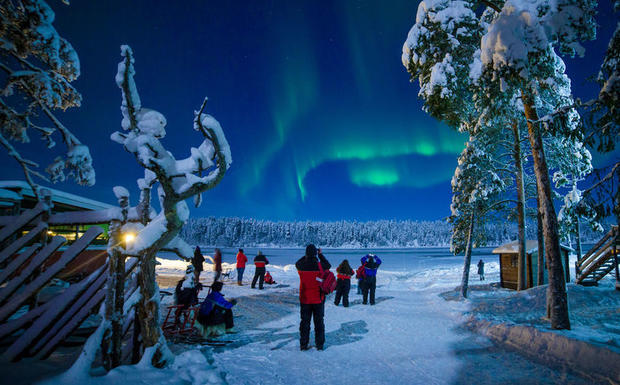
Winter experiences can include skiing, snowshoeing, dog sledding, and frozen landscape walks. In Lapland, winter is also linked to northern lights viewing, though the aurora is never guaranteed. Many visitors find that the calm of winter is part of its appeal, since even simple moments like a quiet walk in fresh snow feel memorable.
If winter is your goal, plan around daylight. Some winter days offer only a few hours of light, especially in the far north. This can be beautiful, with long twilight, but it changes how you schedule activities.
Practical tip: dress in layers, prioritize warmth over style, and plan time for indoor recovery. Saunas are an important part of winter life and can make cold days feel comfortable.
Best season for different travel styles
If you want a comfortable city break with some nature, late spring and early fall are excellent. You can explore Helsinki and nearby regions with fewer crowds while still enjoying outdoor time.
If you want maximum outdoor time, warm weather, and long days, summer is the clear choice. It is ideal for lakes, cabins, and hiking.
If you want landscapes, hiking, and a calmer mood with strong scenery, early fall is often a favorite, especially in northern regions.
If you want classic snow experiences and Arctic activities, winter is the season, particularly in Lapland, where the infrastructure for winter travel is strongest.
How to pick the right season for your itinerary
Start by choosing the “core feeling” you want from Finland. If you want brightness, choose summer. If you want color and quiet, choose fall. If you want a gentle mix of city comfort and changing nature, choose spring. If you want snow, stillness, and winter activities, choose winter.
Then consider your tolerance for cold, your interest in outdoor excursions, and how important daylight is to your plans. Finland is rewarding in every season, but it rewards different priorities at different times of year.
The simplest way to think about it is this. Summer is expansive, fall is cinematic, spring is hopeful, and winter is immersive. Choose the season that matches your travel style, and Finland tends to deliver exactly the kind of atmosphere you came for.