
When most people think of travelling around the UK, they picture the familiar icons. The bright lights of London, the historic streets of Edinburgh, the Roman baths of Bath or the dramatic peaks of Snowdonia. While these destinations are popular for good reason, there is another side to Britain that often goes unnoticed. Beyond the guidebooks and well worn itineraries lies a collection of hidden gems that offer quieter, richer and often more memorable experiences.
Exploring Britain beyond the tourist trail invites you to slow down, look closer and discover places that still feel genuinely local.
The charm of overlooked coastal towns
Britain’s coastline stretches for thousands of miles, yet many visitors cluster around a handful of well known resorts. Venture a little further and you will find characterful seaside towns where life moves at a gentler pace.
On the Northumberland coast, villages such as Seahouses and Alnmouth offer sweeping beaches, pastel painted houses and cosy pubs serving fresh seafood. The air feels cleaner, the crowds thinner and the horizons wider. Further south in Suffolk, the town of Southwold combines a traditional pier with unspoilt dunes and colourful beach huts, creating a nostalgic atmosphere without the bustle of larger seaside destinations.
In Wales, the Pembrokeshire coast hides countless coves and cliff top walks that rival anywhere in Europe. Small communities like Solva provide a peaceful base for exploring the coastal path, watching seabirds and enjoying locally caught crab straight from the harbour.
These are the kinds of places where you can spend hours simply wandering, chatting to shopkeepers and watching the tide roll in.
Secret countryside escapes
The British countryside is often associated with honeypots such as the Cotswolds or the Lake District. Yet across England, Scotland and Wales, there are quieter rural regions that offer just as much beauty with far fewer visitors.
Shropshire, for example, is sometimes overlooked despite its rolling hills and market towns. The Shropshire Hills Area of Outstanding Natural Beauty is ideal for long walks through heather covered slopes and ancient woodland. In the north of England, the North Pennines provide dramatic moorland landscapes that feel wonderfully remote.
Scotland’s Borders region is another hidden treasure. With ruined abbeys, gentle rivers and peaceful villages, it offers a softer alternative to the Highlands while retaining that distinctive Scottish character.
Choosing these lesser known regions allows you to connect more deeply with the landscape. You are more likely to find empty footpaths, friendly local recommendations and accommodation that feels personal rather than commercial.
Historic villages that feel untouched by time
Britain is full of historic cities, but some of its most enchanting stories are told in smaller settlements. Villages such as Castle Combe in Wiltshire or Clovelly in Devon seem suspended in time, with cobbled streets and stone cottages that have changed little for centuries.
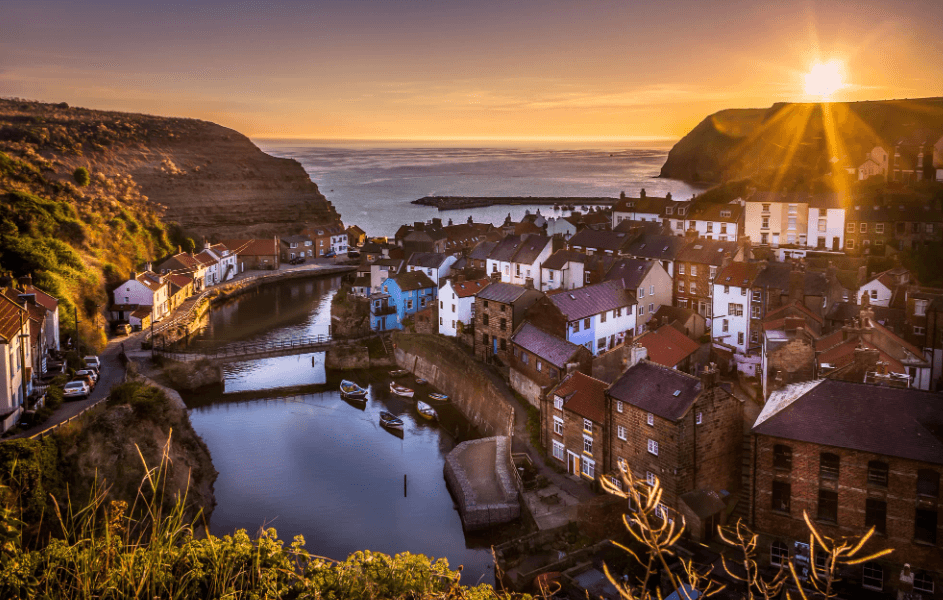
In Yorkshire, the village of Robin Hood’s Bay offers narrow lanes that twist down to a rugged shoreline, where smugglers once hid their contraband. In Northern Ireland, Cushendun combines dramatic coastal scenery with whitewashed cottages and a sense of tranquillity that is hard to find elsewhere.
Exploring these villages encourages a slower pace of travel. There are no long queues or packed attractions. Instead, you can take time to appreciate architectural details, browse independent galleries and enjoy a quiet afternoon tea in a family run café.
Industrial heritage and creative revival
Hidden gems are not only rural or coastal. Some of Britain’s most exciting destinations are former industrial towns that have reinvented themselves.
In the north west of England, towns such as Hebden Bridge have transformed from textile centres into creative hubs filled with independent bookshops, galleries and live music venues. The architecture tells the story of the past, while the present is shaped by artists and entrepreneurs who have chosen to make these places home.
Similarly, parts of South Wales are redefining their identity. Former mining communities now celebrate their heritage through museums and cultural events, offering visitors a chance to understand the history that shaped modern Britain.
Travelling to these places provides insight into real communities. It moves beyond postcard images and allows you to experience the resilience and creativity that run through British life.
Travelling with flexibility and freedom
One of the reasons hidden gems remain hidden is that they are not always the easiest places to reach by public transport. While trains and buses connect major towns and cities efficiently, smaller villages and rural landscapes often require more flexibility.
Planning a road trip can open up possibilities that a fixed itinerary cannot. With your own transport, you can follow scenic routes, stop at farm shops, detour to a viewpoint or stay an extra night in a place you unexpectedly fall in love with. For some travellers, options such as motorhome hire provide both accommodation and mobility in one, making it easier to explore remote corners without constantly packing and unpacking.
This style of travel suits the spirit of discovery. It allows you to respond to recommendations from locals and to explore roads that do not appear in glossy brochures.
Supporting local communities
Choosing lesser known destinations also has a positive impact. Many small towns and rural areas rely on tourism, yet they do not benefit from the sheer volume of visitors that flock to major cities. By spending money in independent shops, family run guesthouses and local restaurants, you help sustain communities and preserve traditions.
Whether it is buying handmade crafts in a Cornish village, sampling artisan cheese in the Welsh countryside or staying at a farm in rural Scotland, your visit contributes directly to the local economy.
This more mindful approach to travel often leads to more meaningful experiences. Conversations are unhurried, recommendations are genuine and hospitality feels heartfelt rather than transactional.
Rediscovering Britain for yourself
Exploring Britain’s hidden gems is not about avoiding famous landmarks entirely. It is about balancing them with places that offer authenticity and space to breathe. It is about turning off the main road, following a brown sign to a village you have never heard of and being open to surprise.
The UK may be compact compared to many countries, but its diversity is remarkable. Within a few hours you can travel from windswept coastline to rolling farmland, from historic market town to vibrant creative community.
By stepping beyond the tourist trail, you give yourself the chance to see a different side of Britain. One defined not by crowds and checklists, but by quiet beauty, local character and the simple pleasure of discovering somewhere that feels like your own secret.
In doing so, you may find that the most memorable journeys are not those that tick off the biggest attractions, but those that lead you to the hidden corners that truly capture the heart of the country.