
Travel decisions today are shaped less by traditional advertising and more by what people see online. Destinations, hotels, and experiences are often discovered through social media, where creators share their journeys in a way that feels personal and immediate.
This shift has changed how tourism is marketed and how travelers choose where to go. Influencer marketing now plays a central role in shaping perception, building interest, and guiding decisions. Understanding its impact helps explain why certain destinations grow in popularity while others remain overlooked.
How Influencer Marketing Changed Tourism Marketing
Tourism marketing has moved from controlled messaging to distributed, creator-led content. In the past, travel brands relied on brochures, agency recommendations, and polished campaigns. Today, much of the influence comes from individuals sharing their own experiences in real time.
From Brochures to Social Content
Traditional travel marketing focused on carefully curated images and descriptions. While this approach presented destinations in a controlled way, it often lacked context. Social content, on the other hand, shows destinations as they are experienced. Short videos, daily updates, and behind-the-scenes moments give a more complete picture.
This change has made travel marketing more accessible. Instead of relying on official sources, people can explore destinations through multiple perspectives before making a decision.
The Role of Social Media in Travel Decisions
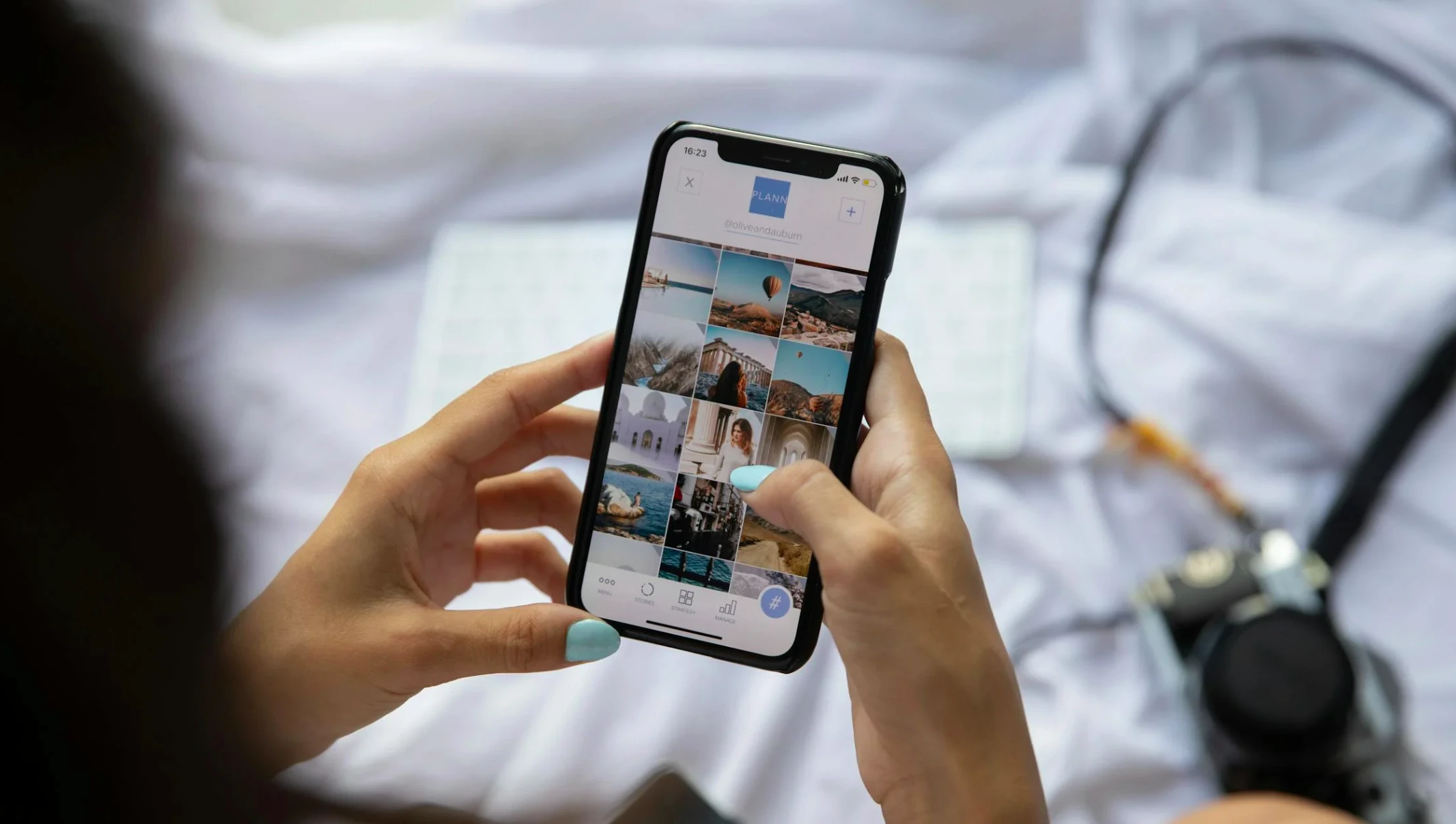
Social media has become part of the research process. Before booking, travelers often browse content to see what a place looks like, what activities are available, and what others have experienced.
This behavior shifts the importance from advertising to visibility. A destination that appears frequently in relevant content is more likely to be considered. In many cases, seeing a place multiple times through different creators builds familiarity and interest.
Influencers as Modern Travel Guides
Influencers now play a role similar to travel guides, but in a more informal and continuous way. Instead of providing structured recommendations, they show how a destination fits into real routines and experiences.
Their influence comes from consistency and relatability. When audiences follow a creator over time, they begin to trust their choices. This trust carries over into travel decisions, where recommendations feel less like promotion and more like shared experience.
Key Impacts of Influencer Marketing on the Tourism Industry
Influencer marketing has changed not only how destinations are promoted, but also how they are perceived and chosen. Its impact can be seen across the entire decision process, from first discovery to final booking.
Stronger Influence on Travel Decisions
Influencers shape how people think about destinations before they actively start planning. A place that appears regularly in relevant content begins to feel familiar, even before any research is done.
This influence is built on trust. Audiences follow creators over time and observe their experiences, which makes recommendations feel more credible than traditional advertising. The quality of content also plays a role. Clear visuals, honest impressions, and practical details help people imagine the experience, which increases the likelihood of action.
Increased Destination Awareness
One of the most visible effects of influencer marketing is how it brings attention to places that were previously less known. Smaller cities, remote locations, or niche travel experiences can gain visibility quickly when featured by the right creators.
In some cases, a single viral post or a series of collaborations can significantly increase interest in a destination. This has made it possible for locations outside major tourist routes to attract attention and compete with more established destinations.
Emotional Connection With Destinations
Travel decisions are rarely based on facts alone. People choose destinations based on how they expect to feel. Influencer content plays a strong role in shaping that expectation.
Through storytelling, creators show not just where they are, but how they experience a place. This creates a sense of atmosphere that static descriptions cannot achieve. When viewers connect emotionally with the content, they are more likely to consider visiting the same destination.
Shift Toward Experience-Based Marketing
Influencer marketing has shifted the focus from features to experiences. Instead of highlighting only hotels, prices, or amenities, content now shows how a place is lived and explored.
Real-life moments, routines, and personal perspectives have replaced highly polished promotional material. This makes the content more relatable and easier to trust. As a result, tourism marketing has moved closer to everyday experience, where the value of a destination is shown through how it feels rather than how it is described.
Benefits of Influencer Marketing for Travel Brands
For travel brands, influencer marketing offers a way to reach potential customers in a more direct and credible manner. It combines visibility with storytelling, which is especially important in a category driven by experience.
Global Reach With Targeted Audiences: Travel brands are not limited by location when it comes to promotion. Influencers often have international audiences, which allows destinations, hotels, and agencies to reach travelers from different markets. At the same time, this reach can still be precise. Creators tend to attract specific types of audiences, such as luxury travelers, budget travelers, or adventure seekers. This makes it possible to target the right segment without broad, unfocused campaigns.
Authentic Content Creation: One of the main advantages is the type of content that influencers produce. Instead of staged promotional material, they share real experiences, often in a more natural setting. This makes the content easier to trust. Viewers see how a destination looks, how it feels, and what to expect, which reduces uncertainty and supports decision-making.
Higher Engagement Compared to Traditional Ads: Influencer content usually generates more interaction than traditional advertising. People are more likely to like, comment, or share content that feels personal and relevant. This engagement increases visibility over time. Content that performs well continues to reach new audiences, extending its impact beyond the initial post.
Cost-Effective Promotion: Compared to large-scale campaigns, influencer marketing can be more efficient. Travel brands can start with smaller collaborations and adjust based on results. This flexibility allows better control over spending. Instead of committing to a single large campaign, brands can test different creators, formats, and audiences, and scale what works.
How Influencer Marketing Affects Traveler Behavior
Influencer marketing shapes traveler behavior across the entire decision process. It does not act at a single point, but influences how people discover, evaluate, and choose destinations over time.
Inspiration Stage
At the beginning, travel ideas often come from passive browsing. People scroll through Instagram or TikTok without actively searching, but certain destinations or experiences stand out.
Short videos, visuals, and daily travel content introduce places in a natural way. At this stage, the goal is not to convince, but to create interest. Repeated exposure builds familiarity, which later turns into intent.
Consideration Stage
Once a destination is on the radar, people begin to look more closely. They compare options, watch multiple creators, and pay attention to details.
Influencer content plays an important role here. Reviews, personal experiences, and practical insights help reduce uncertainty. Seeing different perspectives allows travelers to form a clearer picture of what to expect.
Decision Stage
In the final stage, trust becomes the key factor. When choosing between similar options, people often rely on creators they already follow and trust.
A recommendation at this point can influence the final decision, especially if it feels consistent with previous content. The destination is no longer unfamiliar, and the choice feels more certain.
Across all stages, influencer marketing works by building familiarity first, then reinforcing trust. This gradual process is what makes it effective in shaping travel behavior.
Challenges and Risks in Influencer-Led Tourism
While influencer marketing brings clear advantages, it also introduces challenges that travel brands need to manage carefully. Without a structured approach, campaigns can lead to unintended results or limited impact.

Over-Tourism and Viral Destinations
Influencer content can quickly increase interest in specific locations. When a place becomes widely shared, visitor numbers can rise faster than the destination can handle.
This can lead to overcrowding, reduced visitor experience, and pressure on local infrastructure. For travel brands and tourism boards, this makes it important to balance promotion with sustainability and long-term planning.
Authenticity vs Sponsored Content
Trust is one of the main reasons influencer marketing works. However, when content becomes overly promotional or lacks transparency, that trust can weaken.
Audiences are generally aware of sponsored collaborations. If the content feels forced or inconsistent with the creator’s usual style, engagement drops and credibility is affected. Maintaining authenticity is essential for long-term results.
Measuring Real ROI
Measuring the impact of influencer campaigns can be difficult, especially in tourism. Travel decisions often take time, and users may interact with multiple sources before booking.
This makes it harder to connect a single campaign directly to conversions. Brands need to look beyond immediate results and consider broader signals such as engagement, traffic, and long-term interest.
Choosing the Wrong Influencers
Selecting the wrong creators is a common issue. A large audience does not guarantee relevance or results.
If the audience does not match the destination or offer, campaigns may generate visibility without meaningful engagement. Careful selection based on niche, audience profile, and content style is more important than reach alone.
How Travel Brands Use Influencer Marketing Today
Influencer marketing in tourism is no longer experimental. Travel brands use it in structured ways, depending on their goals, whether that is awareness, bookings, or long-term positioning.
Destination Campaigns
Tourism boards and regional organizations often work with multiple creators to promote a location. Instead of relying on a single message, they show the destination through different perspectives.
Creators may focus on food, culture, nature, or activities, which helps present a more complete picture. This approach allows potential visitors to see how the destination fits different travel styles.
Hotel and Experience Promotion
Hotels, resorts, and travel experiences use influencer marketing to show what a stay actually looks like. Rather than listing features, creators share the experience in real conditions.
This can include room tours, daily routines, local activities, or service interactions. The goal is to reduce uncertainty and help viewers understand what they can expect before booking.
Long-Term Creator Partnerships
Many travel brands move away from one-time collaborations and focus on longer partnerships. Repeated exposure through the same creators builds familiarity and trust over time.
This approach also improves consistency. Instead of isolated posts, the brand becomes part of ongoing content, which feels more natural to the audience.
Managing Campaigns at Scale
As campaigns grow, managing multiple creators, timelines, and deliverables becomes more complex. Travel brands often rely on tools to keep this process organized.
Using Hypefy’s influencer marketing platform for travel agencies helps structure influencer discovery, outreach, and performance tracking, making it easier to manage campaigns without adding unnecessary complexity.
Conclusion
Influencer marketing has become a central part of how the tourism industry operates. It shapes how destinations are discovered, how they are perceived, and how decisions are made. From early inspiration to final booking, creators influence each stage of the travel journey.
For travel brands, the value lies not only in reach, but in relevance and trust. Campaigns that focus on the right audiences, use authentic content, and maintain consistency over time tend to perform best. At the same time, a structured approach is necessary to avoid common challenges and measure real impact.
As travel continues to be driven by experience and visibility, influencer marketing remains one of the most practical ways to connect with modern travelers.